Start Jiu-Jitsu at Gracie Barra Tijeras Today: Get Fit and Learn Self-Defense
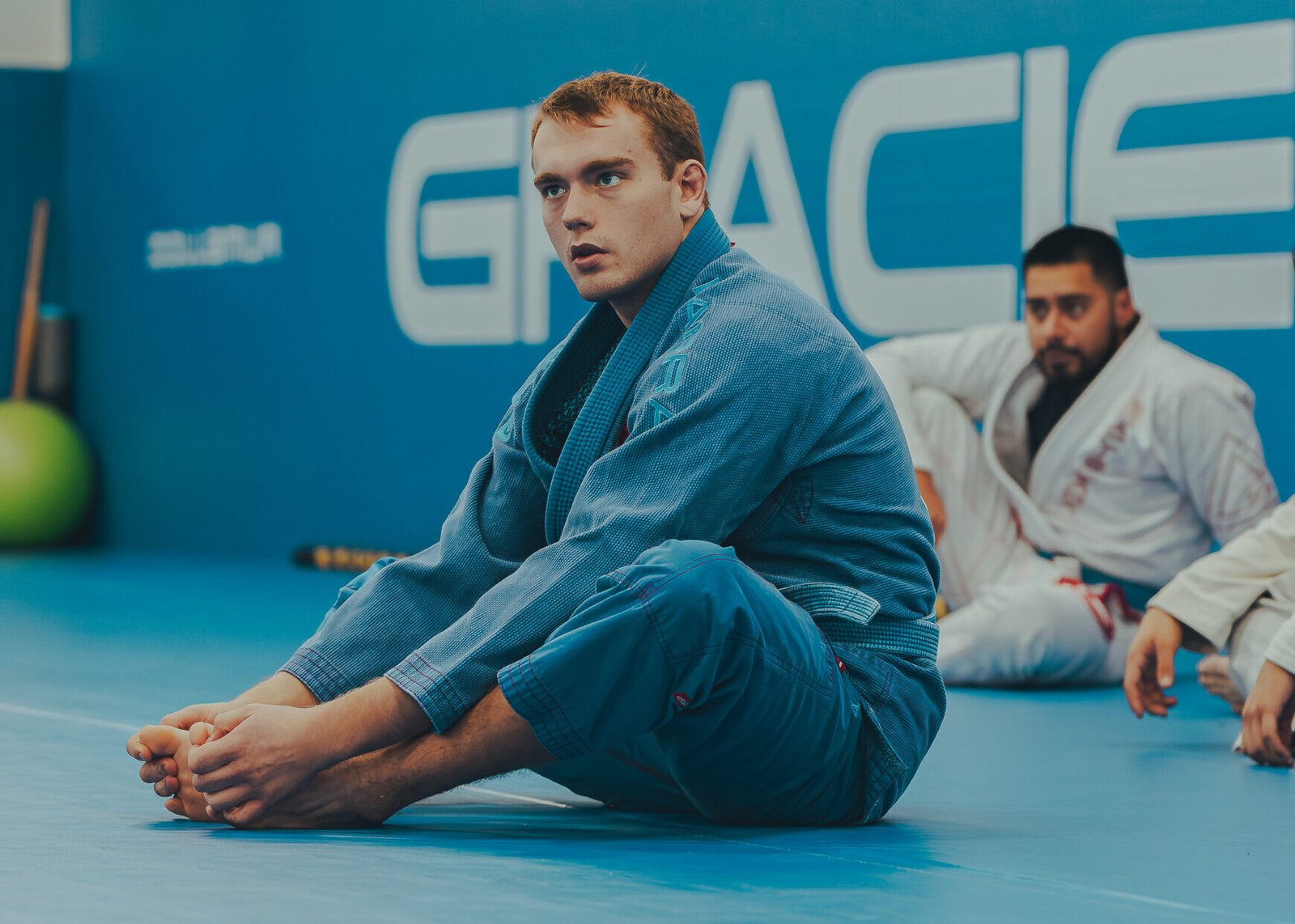
Residents of the East Mountains constantly seek effective ways to improve their daily lives through health and safety. Finding a single activity that provides both physical conditioning and practical protection often feels overwhelming. However, Gracie Barra Tijeras offers the ultimate solution for people pursuing a total lifestyle transformation. Brazilian Jiu-Jitsu serves as a powerful vehicle for achieving peak performance in a welcoming environment. Our academy focuses on teaching techniques that work for every body type and fitness level. Therefore, you gain a massive sense of accomplishment from your very first session on our mats. Joining our team represents a significant commitment to your personal security and long-term vitality.
Brazilian Jiu-Jitsu in Tijeras
Why You Should Start Your Journey Right Now
Procrastination serves as the primary obstacle to achieving your long-term wellness and safety goals. Many people wait for a “perfect time” to begin a new challenge: but that moment never truly arrives. Jiu-Jitsu in Tijeras provides an immediate path to self-improvement for adults and children alike. Every day you delay is a missed opportunity to build resilience and learn life-saving skills. Our curriculum guides you through the foundational movements of the “gentle art” in a logical sequence. Consequently, you build a solid base of knowledge that grows stronger with every single class. Taking action today ensures that you reach your milestones much sooner than you expected.
Overcoming the Initial Hesitation
Starting something new often generates a small amount of anxiety for beginners of all ages. We address these concerns by offering a supportive and professional atmosphere for every new member. You train alongside neighbors who share your values and respect your individual progress. Instructors prioritize your comfort and safety during every minute of the introductory phase. Moreover, the structured nature of our classes eliminates any confusion regarding your training path. This clear direction helps you focus entirely on your physical and mental development. Therefore, your confidence increases naturally as you become familiar with our unique training culture.
The Power of the First Step
Your transformation begins the moment you decide to step onto our world-class training mats. Most students find that the actual experience is much more rewarding than they previously imagined. We provide all the necessary gear and guidance to help you feel like part of the family. Partners encourage one another to stay consistent and dedicated to their personal evolution. Specifically, Gracie Barra Tijeras creates a ripple effect of positivity in your daily lifestyle. You start to view challenges as opportunities for growth rather than stressful burdens. Above all, we take pride in seeing our members discover their true potential through hard work.
Achieve Total Body Fitness with Jiu-Jitsu
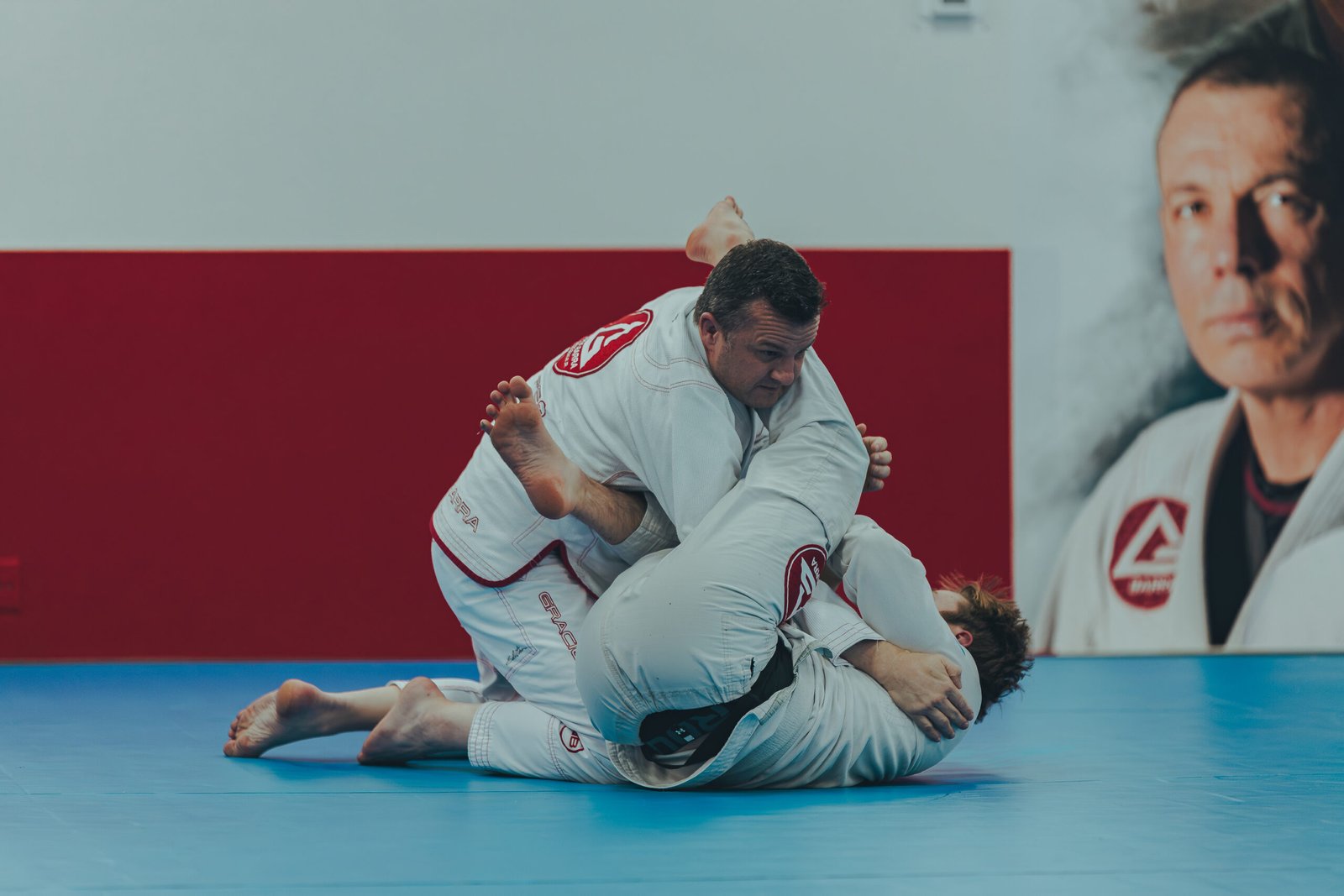
Traditional gym routines often fail to maintain the interest of active individuals in the long run. Many people quit their fitness programs because they find repetitive movements incredibly boring and isolated. In contrast, Brazilian Jiu-Jitsu offers a dynamic workout that engages every major muscle group simultaneously. You develop functional strength that translates directly to your outdoor activities in the New Mexico mountains. Every grappling session acts as a high-intensity interval training session for your heart and lungs. Consequently, your cardiovascular endurance improves while your body fat levels decrease significantly. This holistic approach ensures that you stay fit for a lifetime of activity.
Building Lean Muscle and Core Strength
Functional power comes from the ability to move your own body weight against resistance effectively. Our training sessions require you to maintain balance and control while working with a partner. This constant tension builds dense muscle tone without the stiffness of traditional bodybuilding routines. You develop incredible core stability that protects your spine during your daily professional tasks. Furthermore, the varied positions of Jiu-Jitsu improve your overall mobility and joint flexibility. Students report feeling more agile and coordinated after just a few months of consistent practice. Therefore, fitness journey goals become easier to reach when you train with purpose.
Boosting Your Energy Levels
Regular physical exertion triggers a massive release of natural endorphins in your central nervous system. You leave the academy feeling energized and refreshed despite the intensity of the workout. This boost in energy helps you stay productive throughout your busy East Mountains schedule. Many practitioners notice that their quality of sleep improves dramatically after they start training. A well-rested body recovers faster and performs better during subsequent physical challenges. Additionally, the discipline of regular classes encourages better nutritional choices and hydration habits. Specifically, Gracie Barra Tijeras helps you build a lifestyle that supports your highest level of wellness.
Learn Essential Self-Defense for Real Safety
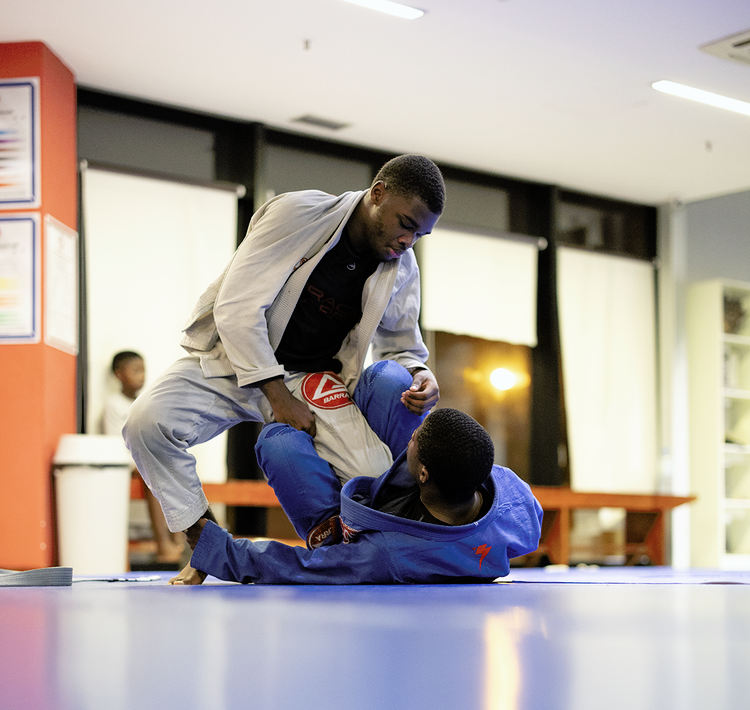
Personal security remains a top priority for families living in both urban and rural environments. Many defensive systems rely on striking power: which often diminishes as people get older. However, our self-defense skills focus on mechanical leverage and anatomical knowledge instead. You learn how to neutralize a larger and stronger attacker through superior positioning and control. Most physical confrontations move to the ground where Jiu-Jitsu provides a decisive and clear advantage. We empower you to protect yourself and your loved ones with proven, battle-tested techniques. This technical proficiency provides an inner peace that radiates throughout your daily life.
De-escalation and Mental Readiness
Knowing how to handle a physical struggle starts with your ability to stay calm under pressure. We teach students to identify potential threats and manage distance effectively in public spaces. Situational awareness acts as your primary shield against unpredictable social encounters today. You learn to use your voice and body language to de-escalate conflicts before they turn violent. If a situation becomes unavoidable: you will have the muscle memory to react with precision. This readiness reduces the anxiety often felt when navigating unfamiliar or isolated areas. Therefore, Gracie Barra Tijeras creates individuals who remain steady and analytical during intense moments.
Empowerment for Every Individual
Brazilian Jiu-Jitsu is famously known as the “gentle art” because it favors the smaller practitioner. Women and children find our techniques exceptionally practical for overcoming raw physical strength. We focus on escapes and control positions that work regardless of the size difference between opponents. Knowing you possess these skills changes how you carry yourself in your community. You walk with a more assertive posture and a clearer sense of personal boundaries. Specifically, our martial arts training gives every member the tools to stand their ground confidently. Above all, we provide a safe space where everyone learns to protect themselves with pride.
Developing Mental Toughness and Resilience
Mental health is just as important as physical fitness for leading a balanced and fulfilling life. The mats of our academy serve as a laboratory for building an unbreakable spirit and focus. Every training session presents obstacles that require patience, persistence, and logical thinking. You learn to breathe through uncomfortable positions and find a path toward technical success. This ability to stay calm under stress is the definition of mental resilience in action. Consequently, our students handle professional and personal challenges with much greater clarity. The lessons learned during a hard class stay with you forever.
Focus and Discipline in Every Lesson
Mastering a complex sequence of movements requires your absolute attention and cognitive engagement. You must filter out external noise to understand the fine details of a specific sweep or submission. This training improves your overall ability to concentrate on difficult tasks in your daily career. Many parents notice that their children become more focused and disciplined at school after joining us. Similarly, adults report increased productivity and better time management skills in their professional roles. Developing a “black belt mindset” means seeking continuous improvement in everything you do. Specifically, Gracie Barra Tijeras fosters the discipline necessary for long-term excellence.
Stress Relief Through Physical Action
Physical exertion provides a healthy outlet for the stress and frustration of a long workday. You channel your energy into productive movement and technical growth with your training partners. This focused activity triggers a release of natural chemicals that improve your mood and outlook. Many professionals find that their best ideas arrive after a challenging session on our mats. Furthermore, the social connection with like-minded teammates reduces feelings of daily isolation. You belong to a community that values your growth and emotional well-being. Therefore, Jiu-Jitsu training acts as a powerful supplement to your overall mental health routine.
Full Body Conditioning: Engage every muscle group in a single high-intensity workout.
Practical Protection: Learn techniques that work in real-world physical confrontations.
Mental Clarity: Clear your mind of daily stress through intense physical focus.
Social Connection: Join a local team of residents dedicated to self-improvement.
Character Building: Develop discipline, humility, and resilience through practice.
The Global Legacy of Gracie Barra in Tijeras
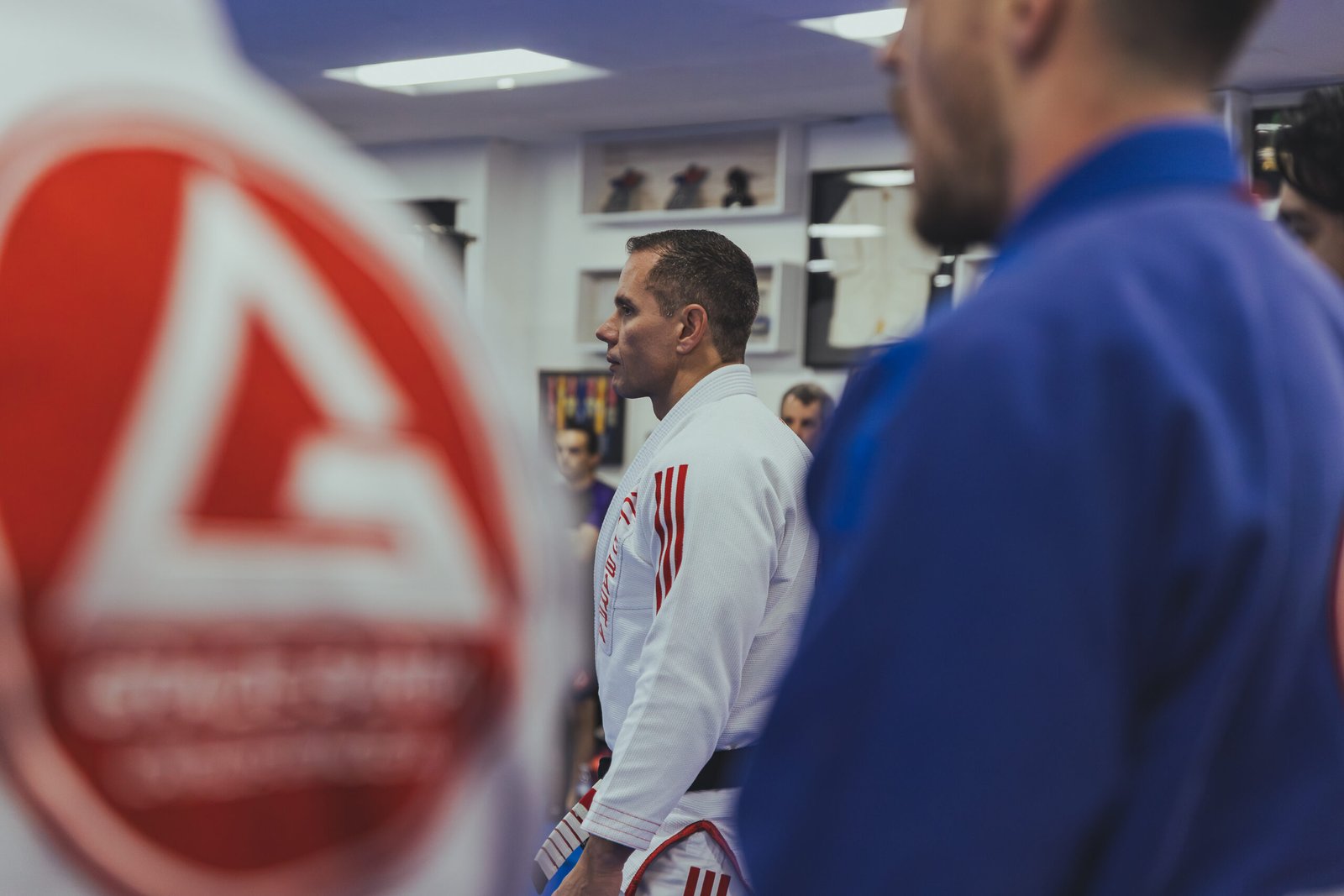
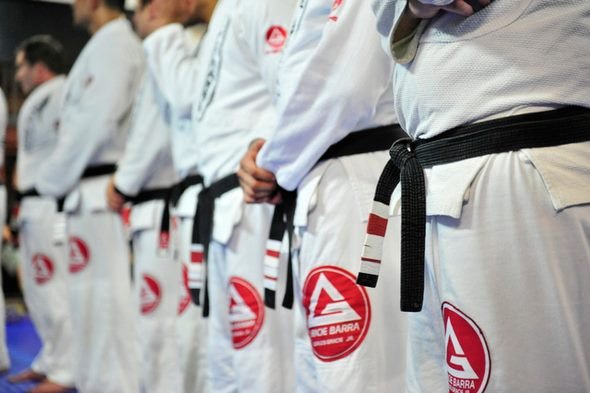
Joining our academy connects you to a prestigious history of martial arts innovation and excellence. We follow a standardized curriculum created by world-class experts to ensure your rapid progress. This structure allows you to track your development clearly through every stage of your journey. Our professors dedicate their lives to sharing the life-changing benefits of Jiu-Jitsu with the community. You receive personalized feedback to help you overcome your specific physical or mental hurdles. Furthermore, the global reach of Gracie Barra ensures that your rank is recognized and respected worldwide. Therefore, you can trust the quality of the Jiu-Jitsu journey you receive at our facility.
A Family-Oriented Atmosphere
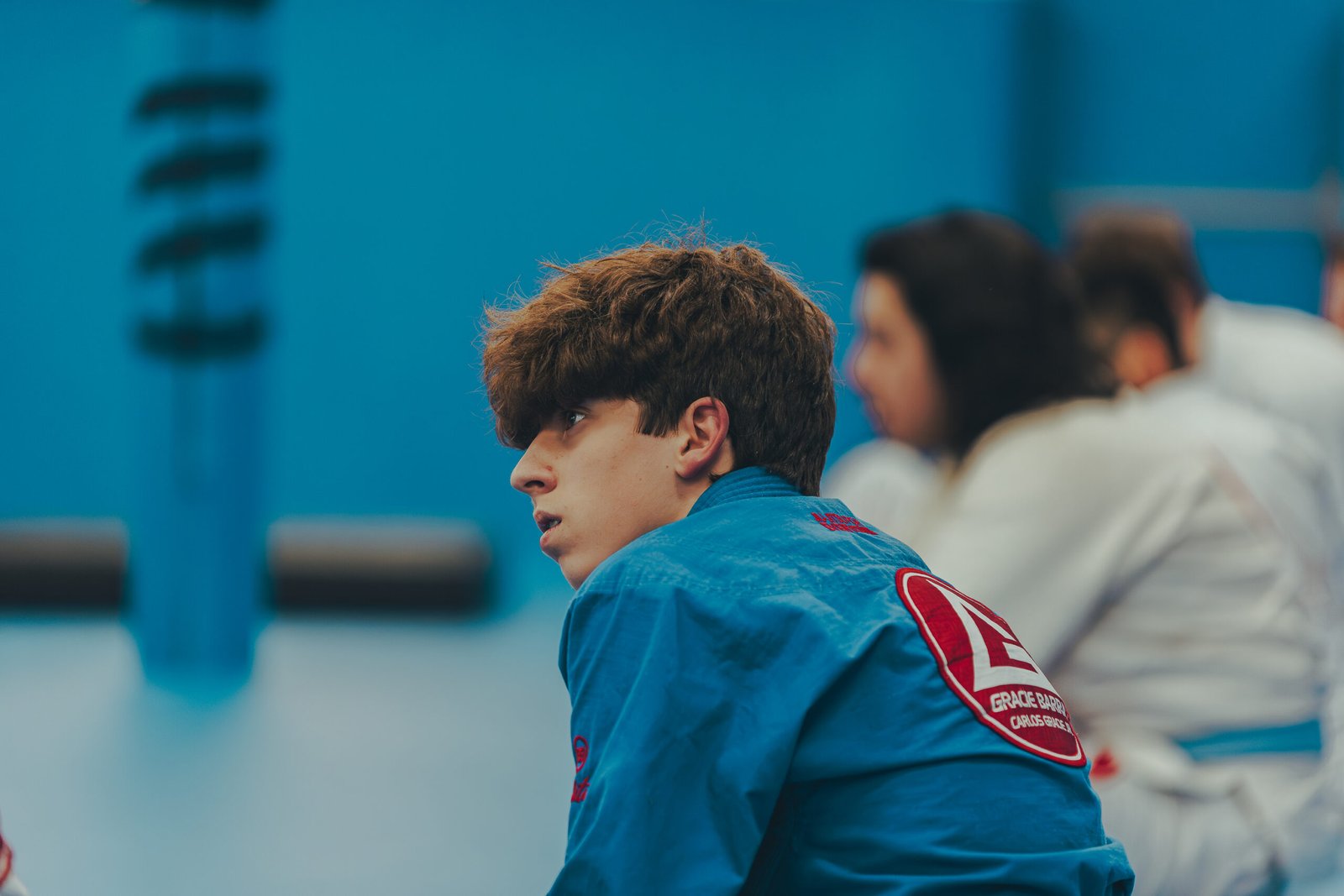
We believe that martial arts should be a shared experience for the entire local household. Many parents train in our adult sessions while their children learn in the adjacent youth programs. This shared activity creates a common language of respect and discipline within the family unit. You build stronger bonds with your loved ones through the challenges and triumphs of the mats. Specifically, kids martial arts provides a healthy foundation for the next generation of local leaders. We maintain a clean and professional environment that reflects the high standards of our brand. Every family member finds a place to grow and thrive within our academy.
Community Values and Mutual Respect
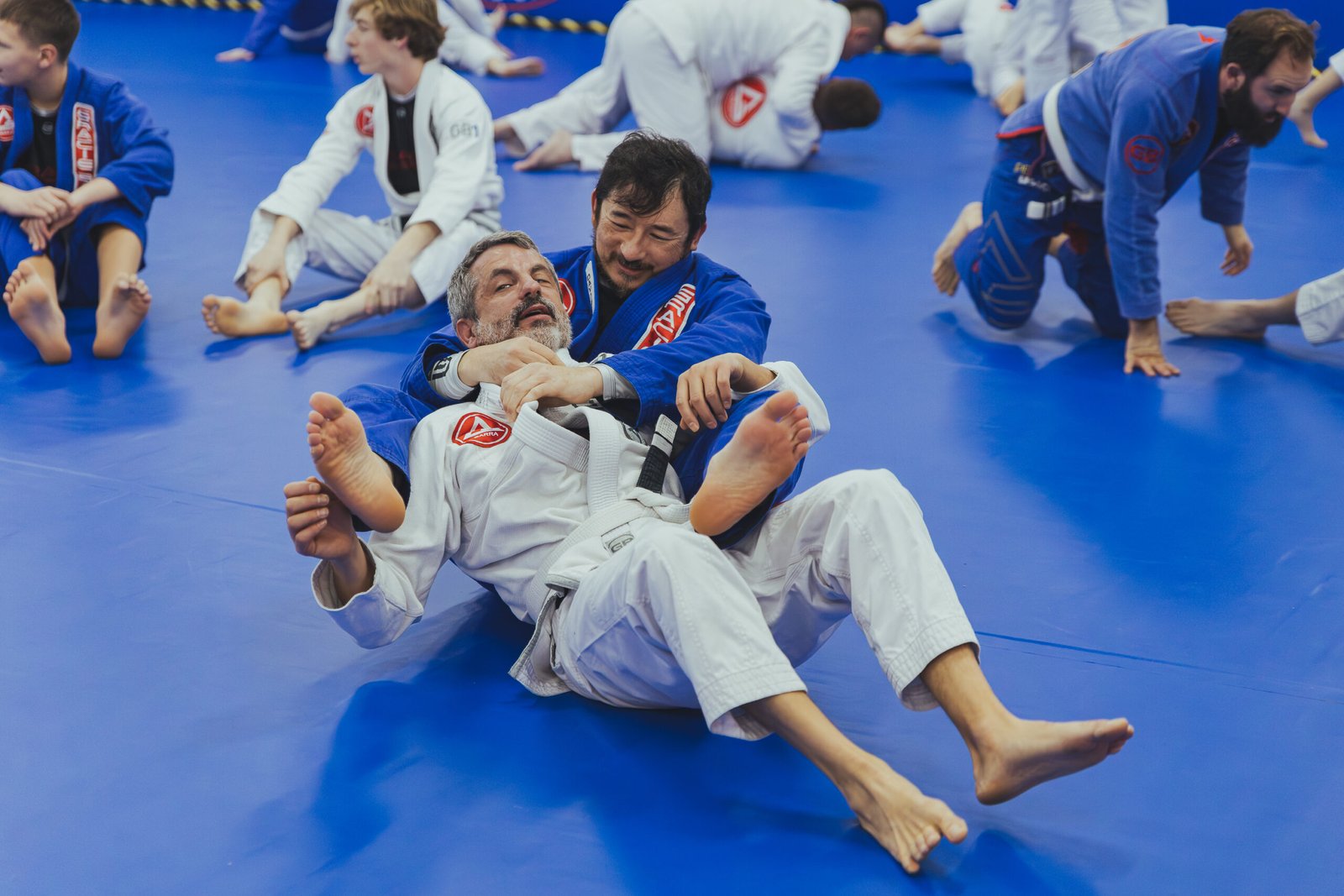
Tijeras is a place where neighbors value strong relationships and helping one another succeed. Our gym reflects these local values by fostering a culture of empathy and shared achievement. You build lasting friendships with individuals who challenge you to become a better version of yourself. This social connection makes the hard work of training feel like an exciting and rewarding adventure. Many students find that their teammates provide the accountability necessary to stay consistent with their goals. Furthermore, the positive energy at the academy helps you disconnect from daily stress and digital noise. Specifically, Gracie Barra Tijeras provides a sanctuary for personal growth and social wellness.
Start Your Transformation Today
The journey of a thousand miles truly begins with a single step onto the training mats. At Gracie Barra Tijeras: we provide the map and the support you need for total success. Discipline, fitness, and self-defense are the pillars of a secure and healthy life in New Mexico. We take pride in seeing our students achieve things they once thought were impossible. Whether you want to lose weight or learn to defend your family: we are here to help. Our community is waiting to welcome you into the fold of the East Mountains team. Start your journey today and experience the difference that professional instruction makes.
Contact our office now to schedule your visit and meet our dedicated coaching staff. Space in our beginner programs is often limited to maintain high-quality instruction for every member. Secure your spot in our community and begin the most rewarding physical and mental journey. We are located conveniently for all residents of Tijeras, Cedar Crest, and the surrounding mountain areas. Your transformation into a healthier, stronger, and more confident individual starts with a single class.
Brazilian Jiu-Jitsu in Tijeras
Experience the difference that professional martial arts in Tijeras can make in your daily life. We look forward to seeing you at the academy and welcoming you to the team.